Wednesday, September 30, 2020

The Most Common Places That Fires Occur in the Home

Calendar Icon
Last Updated: A day ago
October 4–10 is Fire Prevention Week. For more tips on protecting your home from electrical fires, grease fires, and house fires, browse our fire safety checklist.

Of all fires reported in the U.S. annually, 27% happen in the home. And tragically, these residential fires also cause the majority of fire-related deaths.1

But knowing where and when fires are most likely to ignite can help you protect yourself, your family, and your home from tragedy.

Where house fires originate

Kitchens

The heart of the home, kitchens are also the most common spot in the house for fires to start.2 Specifically, unattended cooking is the leading cause of kitchen fires and fire-related injuries.3

These man-made fires are also easily preventable: Keep an eye on the stove, oven, and other appliances like toaster ovens, and move combustible items away from the stove. Never leave the kitchen when you’re working with high heat during preparations like frying, boiling, or broiling—fires need only seconds to go from a small flame to an out-of-control blaze.

A few more tips for safe cooking:

  • If someone else can’t watch things while you step away for a bathroom break or to help the kids, turn off the cooking appliance while you’re in the other room.
  • Turn off the stove and all appliances once you’re done cooking.
  • Keep everything off hot surfaces. Pay close attention to where you set dish towels or hot pads. Designate a spot, like a hook, to practice putting them back between each use.
  • Roll up baggy sleeves or wear a securely fastened apron over billowy shirts or bottoms to prevent singeing.
  • Do not heat your home with your oven.
  • Keep a Class B fire extinguisher or baking soda handy in case of fire. Water will only spread oil or grease and feed the flames.

Keep a fire extinguisher handy

Fire extinguishers can be the difference between a small kitchen fire and a catastrophe. Purchase and replace fire extinguishers for the rooms where fires are most likely to start, and choose the right class of extinguisher for the type of fire most likely to occur in that room.

Bedrooms

Bedrooms are the most common spot in the house for electrical fires to start—about 15% of residential electrical fires begin there.1,4 And these fires have a high potential for tragedy since they often happen when people are asleep.5

These fires are often due to faulty or overtaxed wiring or malfunctioning lighting,6 but bedroom fires also start with cords, space heaters, or electric blankets.7 Bedding, carpeting, draperies, and other creature comforts of your bedroom are often the first items ignited in a fire.1

Some tips for preventing fires in the bedroom:

  • Quickly address any loose or otherwise unsafe-looking wall outlets.
  • Replace extension cords, chargers, lighting cords, or other power cords as soon as they show signs of wear. If you can see the wires, it’s time for a replacement. You can have lighting shops rewire favorite lamps if the cord is worn out.
  • Don’t overload outlets by plugging in too many devices, power strips, or extension cords. Unplug devices when they’re not in use or find different spots for them.
  • Place space heaters at least three feet from anything that could catch fire.
  • Kids often experiment with fire in secret spots like under their bed or in the closet, and 40% of structure fires started by children happen in the bedroom.5,8 Teach children not to play with matches or lighters, and help them understand how fire ignites and spreads.

Living rooms

That beautiful Edwardian fireplace in the center of the living room sold you on your home, but it needs more maintenance and care than the occasional dusting and cute decor. Heating equipment is the second leading cause of house fires, with chimneys being the most likely type of heat source to cause a fire.1

Fireplaces, chimneys, wood-burning stoves, and space heaters are all culprits for starting an out-of-control fire in the living room. Practice a few safety precautions to keep that homey fire in the firebox where it belongs:

    • Before you head into the cooler months and start up a cozy fire, have your chimney professionally cleaned.
    • Keep combustibles, including draperies and upholstered furniture, at least three feet from the heat source.
    • Invest in a fireplace screen to prevent embers from escaping.
    • Never leave the fire unattended, and make sure it’s completely out before leaving the house.
    • Use the recommended fuel for your heat source.
    • Teach kids to keep at least three feet away from the heat source so they don’t get burned or, worse, ignite something.9

Smoke detectors protect you in every room

Placing smoke detectors throughout your home is a critical step to responding to fire regardless of the room it starts in. See our smoke alarm recommendations and tips for installing and maintaining them.

Attics and crawl spaces

Inaccessible attics and crawl spaces are easy to forget about, but 13% of electrical fires start in these neglected spaces. Electrical failure or malfunction account for about 88% of these fires.4

If you live in an older home, suspect dubious DIY electrical work, or want reassurance that everything is in order, hire a professional, licensed electrician to check it out and address issues. While electrical problems can be expensive to fix, the cost of neglecting it can be devastating.

Laundry rooms

Laundry rooms are where 4% of residential fires begin, with dryers being the culprit of 92% of laundry room fires.10

Fortunately, preventing laundry fires is simple for the most part:

  • Don’t overload your washer or dryer or pack items down. Instead, leave room for laundry to tumble. Follow your machine manufacturer’s recommendations for capacity.
  • Clean the lint screen and drum between loads to prevent buildup.
  • About once a year, clean the dryer exhaust vent and ducts.
  • Replace plastic venting material with flexible metal venting material.
  • Ensure that your appliances are plugged into outlets with the proper voltage.

Outside areas

Residential fires start outside 4% of the time.1 Your grill, smoker, fire pit, and even dry vegetation can be sources of outdoor fires. Prevent fire and damage to your home by setting a few rules:

  • Use grills or smokers about 10 feet away from structures (including the eaves), deck railings, trailers, vehicles, or combustible materials.11, 12
  • Clean your grill or smoker after every use to prevent fuel buildup.
  • Keep a fire extinguisher handy when grilling.
  • Keep a hose or bucket of water near firepits, and clear the area of vegetation, fuel, or other combustibles.
  • Make sure fires are completely extinguished before heading back inside.
  • Avoid driving on or dragging anything across dry vegetation that could cause a spark.

Other potential fire hazards

While they might not top the list, keep a close eye on the following:

Children

Kids who start fires may just be curious, but they may also be experiencing some larger emotions that they don’t know how to express.13 Working through and exploring the root of those emotions may not be the first thing that comes to mind to prevent fires, but it’s a critical complement to teaching kids fire safety and setting rules about matches or lighters.8

Teaching kids to be safe

Safety is a mindset that starts with the tiniest members of your household. Teach kids safe habits at any age with our tips and tricks.

Hair tools

Anyone who’s grazed an ear or neck while styling their hair knows that heat tools get hot enough to burn. Always unplug your beauty products and leave them to cool on a heat-resistant surface away from flammable objects.

Candles

Whether you’re creating ambiance or infusing a room with the scent of sandalwood, the open flame of a candle is a fire hazard. Never leave candles burning unattended, and be sure you set them on a heat-resistant surface away from upholstery, linens, and curtains.

Smoking

Don’t smoke in bed or near upholstered furniture, curtains, and linens that can quickly catch fire from a stray ash.

Christmas trees

Christmas tree fires often start because of faulty lights or proximity to a heat source. Keep your holiday merry and bright by inspecting older lights, putting new lights on your tree, and keeping them away from heat sources.

Sources

  1. Marty Ahrens, National Fire Protection Association, “Home Structure Fires,” October 2019. Accessed July 8, 2020.
  2. Red Cross, “Fire FAQ,” Accessed July 8, 2020.
  3. National Fire Protection Association, “Cooking,” Accessed July 8, 2020.
  4. FEMA, “Residential Building Electrical Fires,” December 2018. Accessed July 8, 2020.
  5. StartSleeping.org, “Fire Safety While You Sleep,” April 4, 2020. Accessed July 8, 2020.
  6. FEMA, “Residential Building Fire Trends,” March 2020. Accessed July 8, 2020.
  7. National Fire Protection Association “Top Fire Causes: Heating and Cooking,” Accessed July 8, 2020.
  8. Joav Merrick, Carrie Howell Bowling, Hatim A. Omar, Frontiers in Public Health, “Firesetting in Childhood and Adolescence,” October 8, 2013. Accessed July 9, 2020.
  9. National Fire Protection Association, “Heating Safety,” 2017. Accessed July 8, 2020.
  10. Richard Campbell, National Fire Protection Association, “Home Fires Involving Clothes Dryers and Washing Machines,” March 2017. Accessed July 8, 2020.
  11. Weber, “How Far Away Should My Grill Be from My House/Deck?” Accessed July 8, 2020.
  12. National Fire Protection Association, “Grilling Safety Tips,” 2019. Accessed July 8, 2020.
  13. American Psychological Association, “Stopping Young Fire-Starters,” July/August 2004. Accessed July 8, 2020.

The post The Most Common Places That Fires Occur in the Home appeared first on SafeWise.


Aricle source here: The Most Common Places That Fires Occur in the Home

Fire Safety Resource Guide

Calendar Icon
Last Updated: A day ago
Word to the wise: October 4–10 is Fire Prevention Week. Time for a home fireproofing blitz. Take a peek at our checklist for protecting against electrical fires, grease fires, and house fires.

Picture this: You’re sound asleep when you’re jolted awake by smoke, flames, and blaring smoke detectors. The scariest part? You and your family have less than two minutes to get out before smoke/flames engulf the building.

With so little time to think or act in the moment, it’s vital to prepare yourself with fire safety education. While we hope this scary scenario won’t ever happen to you, it could. In fact, a home fire occurs every 86 seconds in America and fires destroy almost half a million structures every year. To protect yourself, home, and loved ones, follow the fire safety guide below, so you’re prepared for the worst.

What to do in a fire

1. Plan an escape route.

Emergency escape plans save lives. Do you have one for your home? First, start by drawing a map of your home including windows, doors, and hallways. Identify main emergency exits like the front and back door. Come up with a primary emergency escape route and then contingency routes to follow if one way is blocked. Remember, in an actual fire, flames and smoke can make certain passageways impassable, so it’s important you think this through when planning an escape route. For instance, if you have upper floor bedrooms, you can buy fire ladders that unravel to help people escape quickly.

Once your fire escape plan is ironed out, have a fire drill. Again, use different scenarios to achieve better preparedness. For starters, have everyone lie in their beds to simulate a night fire. Then, practice escaping from common areas like the kitchen and living room. Also, consider the fact that smoke can decrease visibility significantly. Have a fire drill in complete darkness or with everyone’s eyes closed. Practice counting doors and sensing your whereabouts by touch instead of sight. The more practice you have in more scenarios, the better prepared everyone will be in an actual emergency.

2. Extinguish the fire if you can.

If a fire starts in your home, call the fire department immediately while also assessing if you can put the blaze out yourself. This is hard to advise on because the call will be up to you. However, as long as professional help is on its way, you could attempt to use a fire extinguisher to put out small flames, so they don’t flash into 5-alarm fires. Go with your gut here though. If there’s too much smoke and a lot of heat, get yourself to safety.

3. Rescue humans and pets first, belongings second.

In an actual fire, the only non replaceable items are those that are living. Resist the urge to grab your laptop or jewelry. Instead, attend to family members and pets first. Rank them in order of who needs the most help (ie. a baby or disabled family member).
If there’s enough time, you can gather important documents like your driver’s license, birth certificate, marriage or divorce certificates, and photo albums. If there isn’t, forget about it. Preserving life is much more important than saving electronics or personal effects.

4. Stop, drop, and crawl.

Often times in fires, smoke and heat are more dangerous than the flames themselves. House fires can cause areas near the ground to reach 100 degrees or more and up to 600 degrees near ceilings. If there’s heavy smoke, drop to the floor where the air is cleaner and crawl to the nearest exit. Keep a piece of clothing or a towel over your nose to filter out the smoke and prevent yourself from passing out. Smoke rises, so more breathable air will be low to the ground.

5. Never take the elevator.

You should cover this in your fire escape plan, but let us reiterate: never take an elevator during a fire! You could become trapped or suffer a fall if the elevator fails or gives out. Always use the stairs or fire escape instead of an elevator.

6. Test doorknobs.

In an actual fire, you shouldn’t walk into any room without touching the doorknobs first. If there is heat, it’s probably not safe to enter. Opening doors can also increase airflow and accelerate the rate in which fire spreads.

7. Don’t panic.

Panicking can cloud your brain and prevent you from thinking clearly. If you’re trapped in a room during a fire, take a deep breath and remember this:

Close the door and plug up any cracks or vents with a blanket, clothes, or a towel to keep the smoke out.

Call 911 if you have a phone to let the authorities know where you are in the building.

If you don’t have a phone, yell for help.

If there’s a window, hang a piece of clothing or a cloth out the window to alert emergency crews.

Fires are undoubtedly terrifying, but keeping a clear head can keep you safer. Even if you’re not trapped, you should always take a second to calm yourself and think rationally about the proper steps to get everyone out safely.

8. Get out and stay out.

Once everyone in your family is out of your house, stay out. Don’t go back inside for anything—it’s too dangerous! The firefighters will be able to go back inside to save anything they can. That’s what they train for and they have gear to protect themselves. Also, remember to stay back 75 feet or more. Explosions are uncommon but could cause you to become injured if you’re too close.

How to prevent a fire

Now that you know what to do in an actual fire, you should know how to prevent one from happening. Here are some top tips:

  • Install fire alarms and smoke detectors. Early warning systems can help you get control of a fire before it spirals out of control. Smoke detectors can also help you get out safely. Install a smoke alarm on every level and in every room of your home, and test each alarm once a month to make sure it’s working.
  • Teach children the basics of fire safety and how to prevent, prepare for, and deal with a fire.
  • Always keep matches and lighters out of the reach of children.
  • Keep flammable items at least three feet away from anything hot. (e.g., fireplaces, space heaters, and ovens).
  • Only smoke outside.
  • Stay in the kitchen. When you’re cooking, always stay nearby in case something catches fire.
  • Turn off appliances. Remember to shut off your stove when you’re done cooking.
  • Extinguish controlled fires completely. This includes fireplace fires and those in fire pits in the backyard.
  • Spray down surrounding areas before having an outdoor fire. If you live in a dry climate, don’t start a fire outdoors. If you do, make sure to spray down the surrounding area in case a spark lands outside of your fire pit.
  • Learn about electrical fires. Electrical fires are an entirely different beast. To learn more about them, read “The Most Common Places That Fires Occur in the Home.”

Helpful fire safety products

Here are some fire safety products that may be helpful to have on hand during a fire or to prevent one from getting out of hand:

  • Fire Extinguishers. Store a fire extinguisher in your kitchen and on each level of your home, near bedrooms. Find SafeWise’s top fire extinguisher picks here.
  • Fire Blanket. Use a fire-retardant blanket to extinguish a small fire by smothering it before it has a chance to get any bigger.
  • Smoke Detectors. Compare top smoke detectors in our buyer’s guide.
  • Home Fire Sprinklers. Automatic home fire sprinklers, once activated, can help greatly reduce flames and heat, often long before the fire department can get to your home. You can search for companies near you that can install sprinkler systems in your home.
  • A Fire Escape Ladder. If you live in a building with more than one level, fire escape ladders can help you quickly and safely escape out a window.

Stats and facts

Learn more about home safety risks from our safety stats and facts resource.

The most important step you can take to protect yourself and your family is to prevent a fire from happening. However, if one does break out, stay calm, get everyone out, and call for help immediately. After all, almost anything can be replaced except for your life.

Sources:

https://www.nfpa.org/research/reporats-and-statistics/fire-safety-equipment/smoke-alarms-in-us-home-fires
http://www.usfa.fema.gov/data/statistics/

The post Fire Safety Resource Guide appeared first on SafeWise.


Aricle source here: Fire Safety Resource Guide

How Can I Prevent a House Fire?

Calendar Icon
Last Updated: A day ago
Word to the wise: October 4–10 is Fire Prevention Week. So you're in the right place! Browse our checklist to make sure your home is fully fireproofed.

Losing your home to a fire is a scary thought, but there’s plenty you can do to prevent fires from starting. And while accidents happen, you can learn how to prevent a fire from starting and spreading through your home.

Check out our fire prevention tips to keep your home safe from electrical fires, grease fires, and house fires.

1. Check your smoke detectors

Fire and smoke detectors are your first line of defense against danger. When smoke and heat enter that little device on your wall, the sensors inside sound the alarm. This means you can catch the problem before it becomes an emergency. So be sure to keep your smoke and fire detectors in good condition.

Test every month

Get in the habit of testing your smoke and fire detectors once a month. It only takes a few minutes to test them, and it can save your home in an emergency. 

Testing may vary from model to model, but most standard detectors have a button on the face. Press that button and wait for the alarm. 

Ask a partner (your kids, spouse, or roommate) to listen for the alarm in a faraway room. The smoke detector may be working, but it isn’t helpful if the whole house can’t hear it. Do this for each smoke detector in your home once a month to keep them in good shape.

Change the batteries as needed

When the batteries in smoke alarms are low, you’ll know. Those annoying chirps every few minutes aren’t just for fun. They’re low-battery alerts and they shouldn’t be ignored. If a fire breaks out in your home and the smoke detector’s batteries are drained, the alarm won’t sound, putting your home at a higher risk.

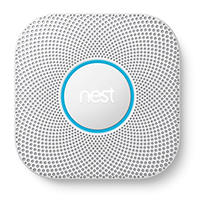
Nest Protect Smoke and CO Alarm
nest protect product
  • Friendly voice alerts
  • Remote access through the app
  • No false alarms from steam

Replace every ten years

Like any appliance, smoke detectors wear down after years of use. To keep your fire warning system in top shape, replace your smoke detectors every ten years. Standard models don’t cost much, so it’s worth investing in smart smoke alarms with a few extra features when you make the next big replacement. 

2. Watch your appliances

Appliances like stoves and washing machines make daily life a lot easier, but they can also pose a fire hazard. According to the National Fire Protection Agency (NFPA), half of house fires start in the kitchen. Thankfully, there are a few ways to make every room in your home a little safer.

In the kitchen

From family meals to midnight snacks, the kitchen may be the best room in the house. But with so many appliances in one place, it deserves a little extra attention. 

When it’s time to get cooking, be sure your oven, stove, and any hot plates are far away from flammable items like curtains, rags, or chemicals. Don’t leave the room unattended if you can help it. And keep a fire extinguisher on hand in the kitchen in case of grease fires or other emergencies. 

How to Put Out a Grease Fire

If a fire starts while you’re cooking, try not to panic—just handle it as soon as you can.

  • Cover the fire with a heavy metal lid and turn off the heat source.
  • Baking soda or salt can handle a small fire. Do not use water to put out the fire.
  • Keep a B-Class dry chemical fire extinguisher around in case the fire grows.
  • Call 911 if you can’t extinguish the fire, and GET OUT.

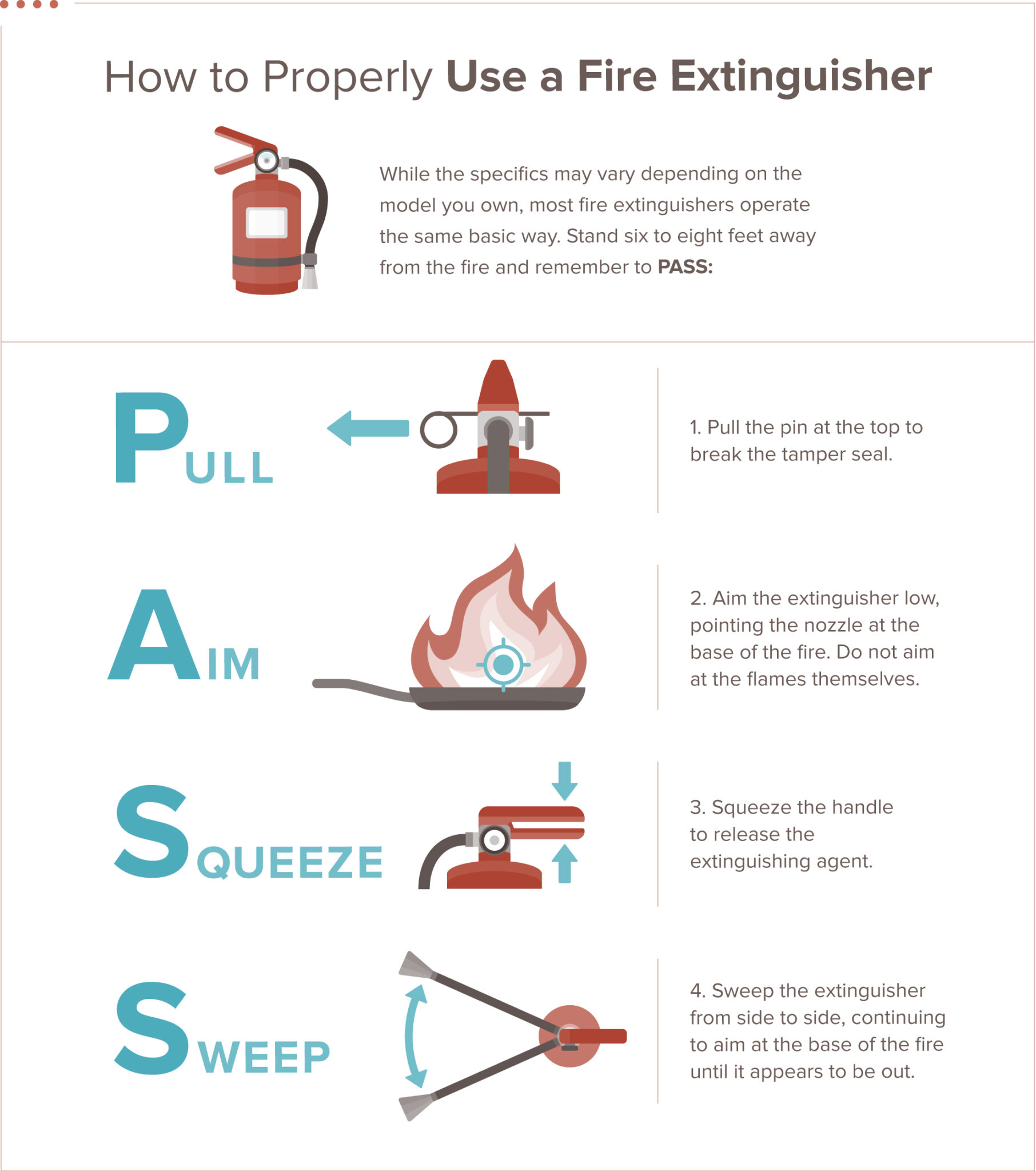
Learn how to use a fire extinguisher before an emergency arises.

Sleeping areas

Start by taking a look at your mattress to make sure it contains flame-retardant chemicals inside. For extra protection, consider a flame-retardant mattress cover. 

Good habits and smart fire safety practices can help prevent fires in the bedroom too. Electric blankets, smoking in bed, space heaters, and overloaded wall sockets are all hazards in the bedroom. If you smoke, take it outside. Only use electric blankets with automatic shut off abilities. And avoid overloading wall sockets and power strips with too many plugs.

The living room

If you have a fireplace, your living room or den may be a hot spot for fire hazards. Keep the stove or fireplace clean and clear of debris or flammable items (even when not in use). Having a Christmas tree near the fire sounds cozy, but it can be seriously dangerous without proper precautions.

When using your fireplace, keep the glass windows open and the metal screen shut. This allows air to enter the fireplace but keeps embers from jumping onto your floors. Use fire-safe tools like iron pokers to move around any logs inside. Never use your hands.

The laundry room

The laundry room seems like an odd place for fire hazards until you remember that dryer lint is flammable. When it comes to common places in your home for fires to start, the laundry room sees its fair share. These high-powered appliances can overheat, especially if the vents aren’t cleared out regularly. 

Garage and outside

Grills, bonfires, and fireworks are obvious culprits for outside and backyard fires. But did you know potting soil is a fire hazard too? Fertilizer and some brands of potting soil contain flammable materials that can combust under heat or after someone ashes a cigarette.

Store your gardening supplies in a cool, dry area. And if anyone in your house smokes, be sure to provide them with a safe place to put out their cigarettes. 

Whether it’s the grill or the summer sun, keep flammable products away from heat. Designate a cool, dark cupboard for flammable products and make sure all family members know where they go.

Keep combustible materials like paint and gasoline in their original containers. Store tightly closed paint containers upside down so the paint creates a seal. Gasoline should be stored in containers designed for gasoline. If a container develops a crack or leak, transfer its contents into a new container made of the same material as the original.

Practice Good Electrical Safety

  • Look for frayed wires, surge marks in wire, and damaged cords. If you see any exposed wires, unplug the electronic and replace it immediately.
  • Keep all cords away from furniture and rugs. Running cords under rugs is dangerous.
  • Avoid overusing extension cords or crowding them into one socket. These can cause electrical fires from overuse or overloaded electrical connections.

3. Measure carbon monoxide levels

Carbon monoxide doesn’t damage your home like a fire does, but it’s still seriously dangerous. Carbon monoxide is an odorless, colorless gas released from burning carbon materials like fuel. 

Nest Protect Smoke and CO Alarm
nest protect product
  • Friendly voice alerts
  • Remote access through the app
  • No false alarms from steam

Burning wood, natural gas, coal, gasoline, and heating oil can all release CO into your home. When you cook on your gas stove or use your fireplace improperly, you increase the risk of fire and carbon monoxide poisoning in your home. 

Consider getting a dual sensor carbon monoxide and smoke detector that senses heat, smoke, and CO. This will cut down installation time and costs and can potentially save your life. Check out all of our favorite CO detectors to learn more.

4. Practice safe habits

Simple precautions and staying aware of your surroundings lower the chances of a fire in your home. It’s easy to get distracted while going about your day, but activities like cooking can become dangerous quickly without some mindfulness. So start by forming fire-safe habits like these.

Careful with candles

We see candles throughout the year during holidays, the occasional spa night, and romantic dinners. But no matter what you’re celebrating (or unwinding from), it’s important to play it safe.

Never leave candles unattended and always keep them away from flammable items like blankets and curtains. Place candles in secure, tip-proof holders and extinguish them before leaving or going to sleep. If you’re afraid you’ll forget, set a timer on your stove or phone.

Close bedroom doors

House fires spread quickly when there are no barriers. Something as simple as closing bedroom doors at night can create passive fire protection that buys precious seconds when it counts.

Don’t smoke inside

We don’t recommend smoking, but if you do it, do it safely. Stay at least 25 feet from the nearest door and keep a place to dispose of your cigarette butts like an ashtray or smokers’ pole. If you smoke near a shed or garage, be sure the area is clear of flammable liquids and fumes.

Know the drill

Good habits can prevent fires, but you should still have a plan in case of emergencies. Discuss with your family what to do if a fire starts while you’re home. 

  • Establish two escape routes from every room.
  • Practice and time your family twice a year to make sure they know the plan. 
  • Choose two meeting places away from your house in case of separation.
  • Show everyone in your home where to find the gas and power shut offs.
  • Make sure children have a way to contact you and know information like your address and phone number.
  • Teach kids to STOP, DROP, and ROLL and how to call 911 in an emergency.

Keep equipment like fire escape ladders (in upstairs bedrooms) and fire extinguishers ready if you even need them. Fire-safe emergency kits are also helpful in scenarios like this. 

image with steps on how to use a fire extinguisher

Fire prevention FAQ

How do I prevent a grease fire?

If a grease fire starts in your kitchen, don’t panic. And don’t use water. Instead, smother the flames with a heavy lid or baking sheet, or use baking soda or salt to put out the flames. Be sure to turn off the power to the stove or fryer to prevent the fire from growing.

It only takes a few common sense measures to prevent a grease fire.

  • Do not leave your cooking unattended.
  • Do not fry frozen food in oil.
  • Do not rush deep frying, the oil needs to heat slowly.
  • Keep flammable items like oven mitts, towels, and curtains away from the cooking area. 
  • Store heavy lids and cookie sheets near the stove to use in case of a grease fire.

How do I escape a house fire?

Establish an escape plan with each of your family members, designating two exits out of each room. Check all the windows and screens in your home to make sure they can open when needed. Depending on the fire, it may be hard to see and breathe, so try to get out as fast as possible without touching too many surfaces in order to avoid burns. 

When a fire starts in your home, escape time is precious. This is why knowing how to prevent fire and preparing for accidents is so important. 

How many smoke detectors do I need in my home?

It depends on your home, but we recommend at least one smoke and carbon monoxide detector per floor in your home. You should also have one in your kitchen and one outside each sleeping area.  

The post How Can I Prevent a House Fire? appeared first on SafeWise.


Aricle source here: How Can I Prevent a House Fire?

A Guide to Smoke Detector Installation and Maintenance

Calendar Icon
Last Updated: A day ago
Word to the wise: October 4–10 is Fire Prevention Week. Since you're checking your smoke detector, browse our checklist for protecting against electrical fires, grease fires, and house fires.

Smoke detectors are one of your first defenses to stay safe from fire and reduce damage. When properly installed and maintained, they can alert you to trouble at the first whiff of smoke and reduce the risk of death by half.1

Below, we share our tips for safely selecting, maintaining, and installing these handy safety devices.

1. Research and pick your smoke detectors

If your current detectors are more than 10 years old—or if your home doesn’t have detectors at all—invest in new ones right away.

Before you make a purchase, conduct some research about the different types of smoke sensor alarms. There are a variety of brands, models, and price points that are available so you can pick the detector that best meets your safety needs and budget.

2. Purchase detectors for every level of your home

Your house’s layout will determine how many detectors you need, but at a minimum you should install one on each level of the home, with at least one inside each bedroom and one outside of every sleeping space. As you’re tallying up the number of devices you need, don’t forget to count basement and attics as separate levels.

3. Promptly install your alarms in central locations

Install your smoke alarms as soon as possible—you don’t want to be spending any nights without the detectors’ protection. Place each alarm on a flat stretch of wall or ceiling, roughly in the center of the room. For wall placed devices, make sure that the detectors are about 12 inches or fewer from the ceiling.2

Read and follow your device’s instructions carefully when performing the installation, especially if the detectors require hardwired power. If you are nervous about the setup process, find a professional to install the alarms for you.

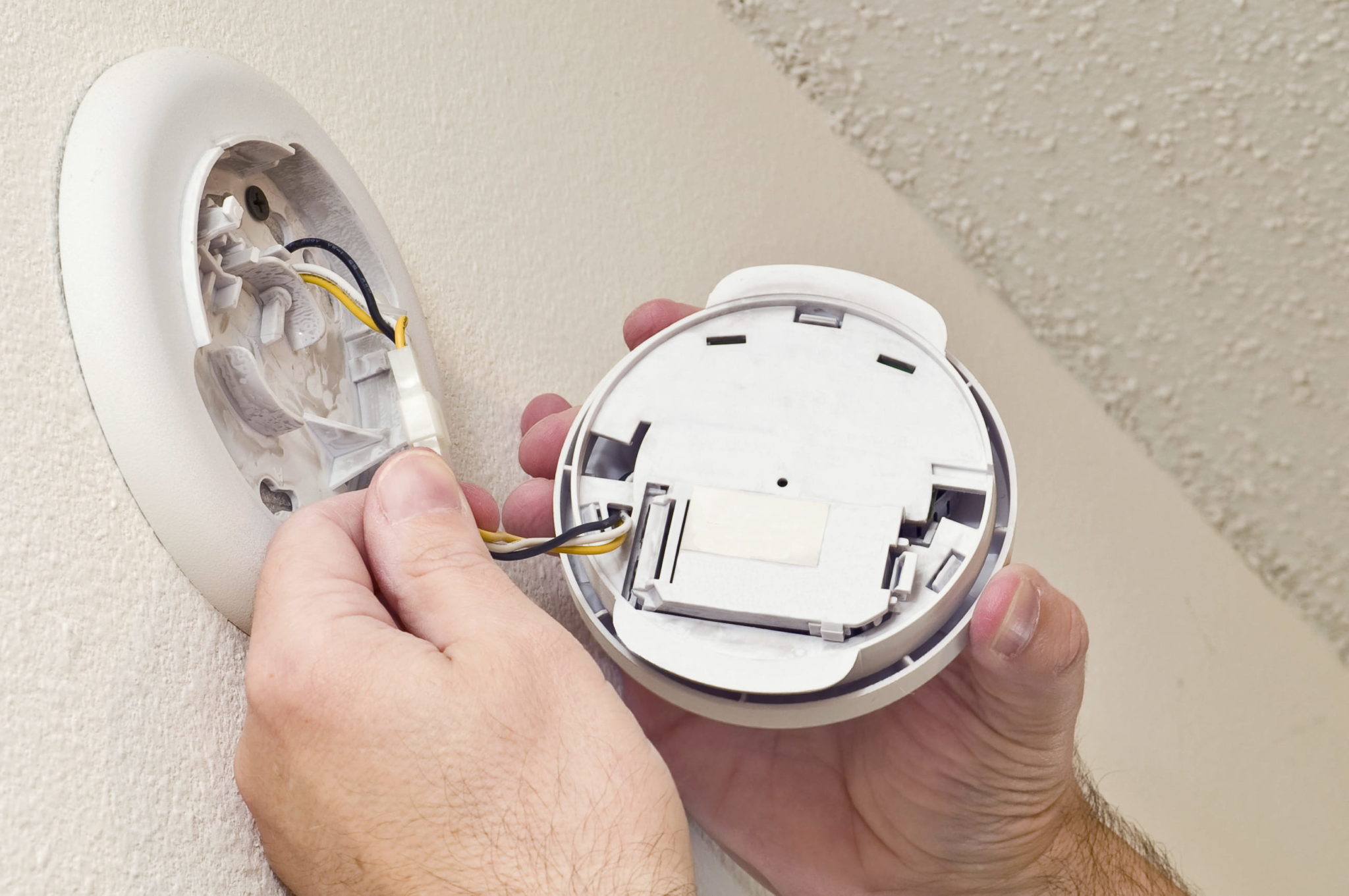
A workman performs regular maintenance on a smoke alarm.

4. Test your smoke alarms immediately after installation

Once you have installed the smoke alarms, test the detectors out with everyone in the home. Press the test button on each device individually, ensuring that every person can easily recognize the sound of the alarm. This initial test is also a great time to discuss your home evacuation plan, along with routes and outside meeting points. The U.S. Fire Administration outlines a variety of exercises to add to your fire drill so that each family member is prepared and has a greater chance of getting out unharmed if a fire ever breaks out.

5. Perform power tests monthly

Though some smart detectors are self-testing, it’s generally a good idea to manually test your detectors at least once per month. To run a test, push the smoke detector’s test button, verifying that the sensor is operational and the alarm sounds at the optimal volume. If you have fire alarms in areas of your home you can’t easily reach, take precautions when climbing up to test them. Use a sturdy stepladder—never a chair—and perform these tasks while another family member is home.

6. Replace non-hardwired detectors’ batteries annually

If your detector runs on batteries, don’t wait until you find the batteries dead to change them out. Instead, set an annual battery replacement date on a special occasion—the first day of summer or Memorial Day, for example. Picking a well-known date will help you remember the task. Always refer to the manufacturer’s guide and follow the instructions when replacing your smoke alarm’s batteries.

7. Thoroughly clean your detectors at least once per year

Dust and pollutants can impede fire alarm performance, so try to keep your detectors clean. An occasional light dusting with a dry rag should easily remove any exterior dust, but you’ll also want to perform deeper cleans annually.

To do a thorough cleaning, take the device off of the wall or ceiling, remove the power source, and then gently take off the external casing. Carefully clear out any collected dust using a vacuum attachment, a compressed air can, or a dry cloth—avoiding liquid sprays or cleaners. Once all dust is gone, you can reassemble the detector and place it back on the wall or ceiling.

Final word

Fire safety is a vital component of a homeowner’s responsibility. Hopefully you’ll never experience a house fire, but it’s a good idea to be prepared. Follow the steps above to help ensure that your home is as safe as possible, and check out our recommendations for the Best Fire and Smoke Alarms.

The post A Guide to Smoke Detector Installation and Maintenance appeared first on SafeWise.


Aricle source here: A Guide to Smoke Detector Installation and Maintenance

SimpliSafe Home Security Review

logo of simplisafe home security

Overall Rating

4.3/5
  • Pro monitoring starts at $14.99/mo.
  • Money-back guarantee
  • No fancy extras
Calendar Icon
Last Updated: A day ago
Deal alert! Right now you can get 20% off your equipment package when you add interactive monitoring at checkout!

That's almost $100 off the most expensive equipment package.

SimpliSafe: DIY, affordable, and contract-free

The SimpliSafe do-it-yourself home security system lives up to its name with straightforward pricing and basic equipment offerings. Its equipment costs are lower than most other home security companies, and you have the option of monthly monitoring without a long-term contract.

This literal out-of-the-box home security solution may be too basic for some people. Plus, outdoor security cameras and home automation options are limited.

If you’re looking for home security on a budget, SimpliSafe’s affordable equipment and no-contract professional monitoring are hard to beat. This system is ideal for small living spaces, but it may fall short if you need to protect a large piece of property.

Pros

  • No contracts
  • Money-back guarantee
  • Easy setup
  • Cheap monthly fees
  • Affordable equipment
  • Stylish design

Cons

  • Equipment purchase required up front
  • Limited smart home compatibility
  • Super-simple design and function

How we evaluated SimpliSafe

Our review of SimpliSafe was based on hands-on testing and extensive research. We installed and used the system at home to see how easy it was to set up and how well it performed. We also researched the specs of the system and compared it to other home alarm systems.

But we didn’t stop there—to bring you the best insights, we also:

  • Met with SimpliSafe.
  • Read hundreds of customer reviews.
  • Visited the SimpliSafe online forum to find out what long-time users have experienced with their SimpliSafe security system.

Check out our methodology page to learn more about how we rate and rank products and services.

SimpliSafe cost

You do have to buy your equipment up front, but all of SimpliSafe’s preselected packages are under $500 (or under $400 when you add the Interactive Monitoring plan at checkout).

SimpliSafe is different from traditional home security companies—it has lower equipment costs and contract-free monthly monitoring service.

Monthly monitoring plans

Monitoring Plan
Monthly Fee
Mobile App Access
Live and Recorded Video
Smart Home Integration
Learn More
Standard Interactive
$14.99 $24.99
X
No
✓
Yes
X
No
✓
Yes
X
No
✓
Yes
View Packages View Packages

Data effective 09/30/2020. Offers and availability subject to change.

Both of SimpliSafe’s monitoring plans include a cellular connection and environmental protection (smoke, water leaks, and extreme temperatures).

That means you have a direct link to the fire department, and you don’t need a landline or Wi-Fi connection to use it.

SimpliSafe’s 24/7 professional monitoring is optional, and you can add, cancel, upgrade, or downgrade your monitoring service plan at any time without any extra fees.

Expert Tip

SimpliSafe packages its monitoring service in 30-day bundles, and it's not tied to a calendar month. When you buy 30 days of professional monitoring, you don't have to use them all at once. If you only want monitoring for a week of vacation, you can pause it when you get back and use the rest of your days whenever you need some extra security.

SimpliSafe contracts and guarantees

If you’re looking for a long-term commitment SimpliSafe is going to break your heart. Contracts are a mainstay of the home security industry, and SimpliSafe was one of the first companies to buck the tide and get rid of them altogether.

This means you’re not tied to a monthly payment—and you can have professional monitoring service only when you need it. If you want extra protection when you’re on vacation, you can add monitoring for that month and then cancel when you return with no penalties or hassle.

Keep in mind, though, that without professional monitoring you can’t use the mobile app.

You can’t receive alerts or remotely arm and disarm your system, and you don’t have a direct link to emergency services. The system will still work as an alarm with a siren, but you’ll need to contact help on your own.

Note: You can use the app to view video with the SimpliCam or Video Doorbell Pro whether or not you have a monitoring plan. But it still won’t give you remote control or a connection to help in an emergency.

60-day money-back guarantee

You may have to pay for your SimpliSafe equipment up front, but you have two months to try it out and decide if you like it. Start your countdown from the minute you complete your order—the 60-day trial period starts from the day you order, not the day you receive the system.

If you decide that SimpliSafe isn’t the right fit, you can send it back in that 60-day window, and the company will process a full refund and cover the cost of shipping.

The SimpliSafe system we got our hands on.

SimpliSafe tech and equipment

SimpliSafe offers technology and equipment that’s both stripped down and state of the art.

The company’s goal of keeping things simple (hence the name) limits the bells and whistles. Where SimpliSafe stands out is in the elegant, modern design of its components.

We’ve been disappointed by the lack of outdoor security cameras, but SimpliSafe has taken the first step with the Video Doorbell Pro. And rumor has it the company will release full-blown outdoor security cameras soon.

SimpliSafe equipment packages

It’s not unheard of to pay around $1,000 (or more) for home security equipment.

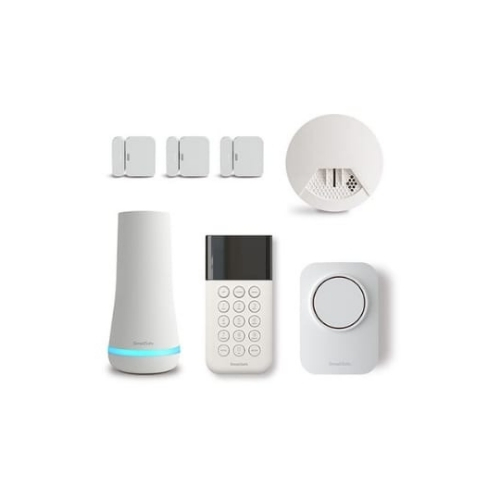
But SimpliSafe has packages priced between $225 and $500—and that includes multiple sensors in all packages, plus a siren and a connected smoke detector in the higher-priced ones.

Equipment
Package
Equipment Price
What's Included
Learn more
simplisafe foundation product Simplisafe essentials products simplisafe hearth bundle Simplisafe knox bundle simplisafe haven bundle
The Foundation The Essentials The Hearth The Knox The Haven
$229 $259 $374 $449 $489
Base station
Keypad
Entry sensor
Motion sensor
Base station
Keypad
Entry sensors (3)
Motion sensor
Base station
Keypad
Key fob
Entry sensors (3)
Motion sensor
Siren
Smoke detector
Base station
Keypad
Key fob
Entry sensors (6)
Motion sensors (2)
Siren
Smoke detector
Base station
Keypad
Key fob
Entry sensors (4)
Motion sensors (2)
Siren
Panic button
Freeze sensor
Water sensor
Smoke detector
View Packages View Packages View Packages View Packages View Packages

Data effective 09/30/2020. Offers and availability subject to change.

We recommend The Hearth package because it has a siren and a smoke detector—essentials we think are worth a little bit extra out of pocket. But you’re not stuck with one of the company’s preselected packages.

You can pick and choose your components to get even more control over how much you spend.

If you want the extra protection of security cameras, you’ll have to add those on, so keep that in mind when looking at your needs and your budget.

A closer look at SimpliSafe equipment

simplisafe base station

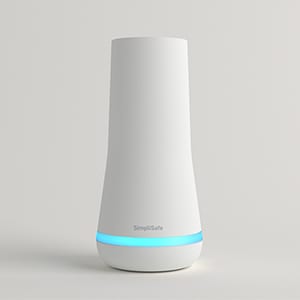
Base station

This is the brain that controls the whole security system. The base station contacts the monitoring center when an alarm is triggered.

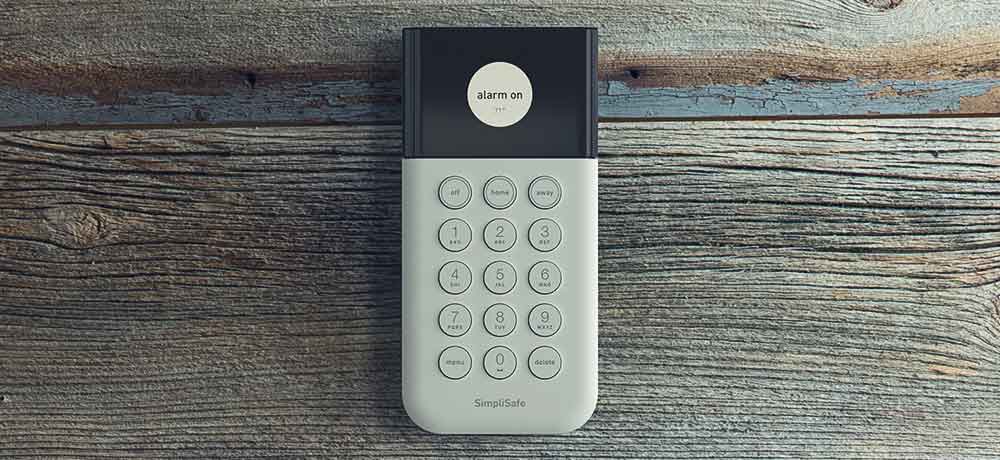
simplisafe wireless keypad

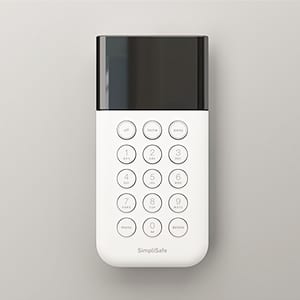
Wireless keypad

The keypad is used to control the security system. Because it’s separate from the base station, you’re still protected if the keypad is damaged.

simplisafe motion sensor

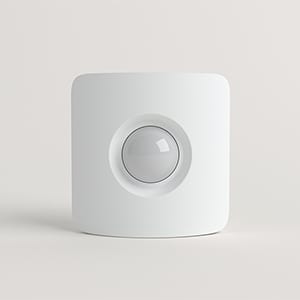
Motion sensor

SimpliSafe’s motion sensor is designed to tell the difference between humans and pets.

simplisafe entry sensor

Entry sensor

Entry sensors let you know if a door or window is tampered with or opened.

simplisafe smart lock

SimpliSafe smart lock

Automate your current deadbolt and sync your front door with the rest of your SimpliSafe security system.

Expert Tip

You can save money when you use one motion sensor (instead of multiple entry sensors) in rooms with three or more windows.
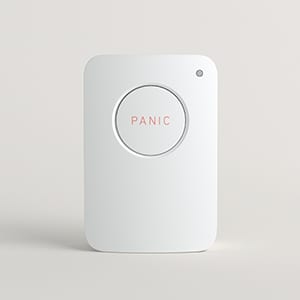
simplisafe panic button

Panic button

This is an extra way to trigger the alarm and alert the monitoring center that you need help.

simplisafe smoke detector

Smoke detector

This smoke alarm detects smoldering fires and sends an alert to the monitoring center as well as sounding a loud siren.

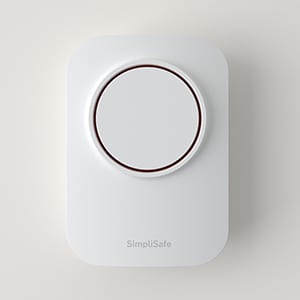
simplisafe siren

Siren

This siren lets out 105 dB of startling noise and can be installed either inside or outside the house.

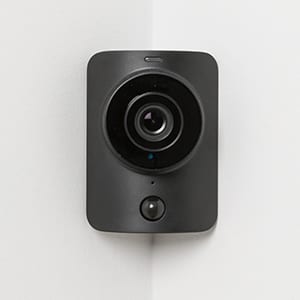
Simplisafe Simplicam

SimpliCam

SimpliSafe’s indoor security camera is motion-activated and lets you view live footage from a smartphone, computer, or tablet.

SimpliSafe tech and equipment highlights

Easy setup

SimpliSafe claims that all you have to do to set up its system is open the box, and that turned out to be pretty accurate. I was surprised at how easy it was to follow the instructions and set everything up.

This alarm system is truly plug-and-play. The keypad walks you through every step with onscreen instructions, and it even comes with adhesive on the back. All you have to do is peel and stick to install the wireless keypad and the door, window, and motion sensors.

Pet-friendly sensors

As someone with a few four-legged pals running around the house, I’m always on the lookout for pet-friendly home security systems. It was nice to discover that SimpliSafe sensors have built-in technology that helps them ignore movement from pets.

That cuts down on false alarms (I hate it when my phone blows up with alerts about the cat and dog playing chase). SimpliSafe motion sensors use unique heat signatures to tell the difference between humans and pets to make sure the alerts you get are worth your attention.

Heartbeats

SimpliSafe recently added Heartbeats as an extra measure to make sure your system is always on the job. Heartbeats are signals between all of your SimpliSafe sensors and the base station.

It lets you know if batteries are low, if something’s been tampered with, or if a sensor is out of range. Best of all, if you’ve already got a SimpliSafe security system, Heartbeats is already included (as long as you keep everything updated).

Expert Tip

We like that SimpliSafe is proactive about updating its offerings, but the only way to take advantage of those upgrades is to buy all new stuff. If you’re thinking of updating an existing SimpliSafe system, contact the company to find out if any of your equipment is compatible with the latest version.

SimpliSafe smart home features

We like home security systems that come with built-in home automation tech. Systems that use Z-Wave or other IFTTT (If This Then That) protocols make it easy to combine security and convenience.

Surprisingly, this tech-forward company has neglected to focus on home automation until recently.

Original incarnations of the SimpliSafe base station had no smart home compatibility at all.

Today, it works with some smart locks and voice assistants—and the company promises more home automation features. Plus, SimpliSafe launched the Video Doorbell Pro last year, so you can add a doorbell camera to your SimpliSafe security system.

SimpliSafe smart home compatibility

Smart Home Features Third-Party Compatibility
Voice control Amazon Alexa, Google Home
Climate control Nest Thermostat
Lighting control Coming soon
Smart locks SimpliSafe Smart Lock, August, Yale

SimpliSafe customer service

Because the SimpliSafe system is so easy to use, I didn’t need to contact customer service directly. But SimpliSafe has a strong rating from the Better Business Bureau and high marks from customer reviews on Google.

But it’s not all sunshine and roses; customers regularly report long wait times and dissatisfaction with changes to online account access.

Here’s a closer look at current SimpliSafe reviews and ratings for customer service and satisfaction.*

  • Trustpilot rating: 4.1 stars out of 5, Great
  • Google customer reviews: 4.3 stars out of 5
  • SimpliSafe Home Security app on Google Play: 4.7 stars out of 5
  • SimpliSafe Home Security app on Apple App Store: 4.8 stars out of 5

*Ratings as of September 30, 2020.

SimpliSafe customer service hours

Even though SimpliSafe doesn’t offer 24/7 customer service, its helpline is open seven days a week from 9:00 a.m. until midnight (EST). And if you have professional monitoring, the monitoring center is operational 24/7.

You can also request help from SimpliSafe tech support via email or join online forums to get help and ideas from other SimpliSafe users.

SimpliSafe vs. the competition

Not sure SimpliSafe is your ideal DIY home security match? We can help you shop around.

We’ve stacked up SimpliSafe against other home security companies to make it easy for you to compare.

Brand
Logo
Lowest Price
Installation
Features
Phone
Website
No-Contract Pick
Smart Home Pick
Best Monitoring
Best Service
SimpliSafe Vivint ADT Frontpoint
logo of simplisafe home security logo of vivint home security logo of frontpoint home security
$14.99 $29.99 $27.99* $44.99
DIY Professional Professional DIY
Cheap monthly monitoring
Money-back guarantee
No fancy extras
High-end smart home tech
Customizable plans
Month-to-month contracts
Fast response times
Outstanding guarantees
140+ years of experience
Risk-free trial
DIY installation
Great customer service
N/A 855-374-4999 855-374-4999 855-374-4999
View Packages View Packages View Packages View Packages

Data effective 09/30/20. Offers and availability subject to change.
* Landline monitoring only. Some restrictions apply. (Full disclaimer)

The bottom line

SimpliSafe is a straightforward, low-cost, do-it-yourself home security solution. Its discreet equipment is ideal for small living spaces, but it may fall short if you need to protect a large amount of property.

For those looking to add home security on a budget, SimpliSafe’s affordable equipment and no-contract professional monitoring are hard to beat.

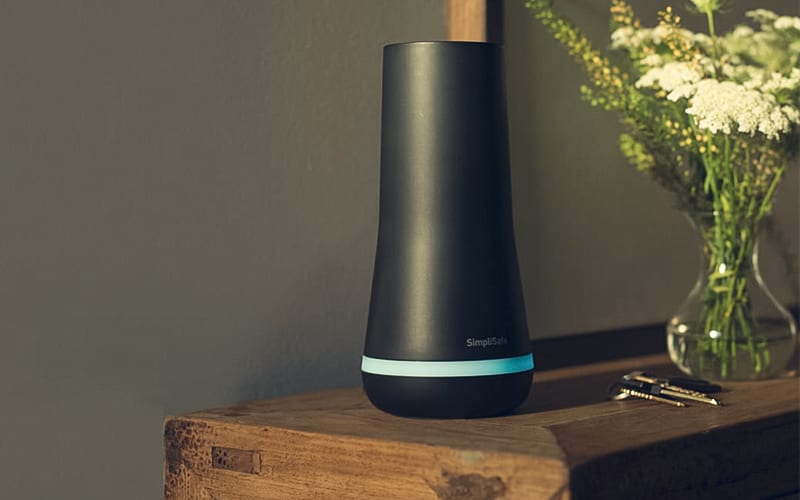
simplisafe smart device on shelf

SimpliSafe FAQ

Do I need to have the internet or a cell phone to use SimpliSafe?

No. The SimpliSafe alarm system doesn’t require a Wi-Fi connection, cell phone, or computer. All you need are the base station and the keypad. These components use a built-in cellular connection to communicate with each other.

But you may need to go online to activate and access certain features, including the SimpliCam security camera, which does require a Wi-Fi connection.

Can I combine newer and older SimpliSafe components?

Unfortunately, new SimpliSafe equipment isn’t compatible with older versions. If you want to upgrade your system to access new features like smart home compatibility, you’ll need to buy a new base station and sensors. But if you don’t want to start over, SimpliSafe plans to continue selling and supporting its original equipment.

There is some other good news—your SimpliCam or Video Doorbell Pro should work with new and older equipment.

Why would I want to pay extra for professional monitoring?

The benefit of adding professional monitoring to your SimpliSafe security system is knowing someone else is watching over your home. When your SimpliSafe alarm is triggered, the monitoring center receives an alert so they can confirm the emergency and contact help.

Without professional alarm monitoring, you’re on your own to assess the danger and reach out to law enforcement.

Got more questions? Check out our in-depth SimpliSafe FAQs page

Related pages on SafeWise

Disclaimer

* ADT $27.99 Essential package: $99.00 Customer Installation Charge. 36-Month Monitoring Agreement required at $27.99 per month ($1,007.64). 24-Month Monitoring Agreement required at $27.99 per month ($671.76) for California. Form of payment must be by credit card or electronic charge to your checking or savings account. Offer applies to homeowners only. Local permit fees may be required. Satisfactory credit history required. Certain restrictions may apply. Offer valid for new ADT Authorized Dealer customers only and not on purchases from ADT LLC. Other rate plans available. Cannot be combined with any other offer. The $27.99 Offer does not include the 6-month guarantee or the Quality Service Plan (QSP). Quality Service Plan (QSP) is ADT’s Extended Limited Warranty. Landline monitoring only.

The post SimpliSafe Home Security Review appeared first on SafeWise.


Aricle source here: SimpliSafe Home Security Review

ADT Disclaimer

ADT $27.99 Essential package: $99.00 Customer Installation Charge. 36-Month Monitoring Agreement required at $27.99 per month ($1,007.64...